Protecting your home with smart garage systems in Lakewood, WA
Many homeowners in Lakewood, WA are adding smart garage systems to simplify daily routines. These connected garage doors bring convenience, but they also require deliberate safety checks so a single update or storm doesn’t put your home at risk. This guide focuses on clear, practical steps you can apply this week to reduce hacking, mechanical failures, and weather-related problems.
Why safety matters for smart garage systems
Smart garage systems combine mechanical parts with networked electronics. That blend means two broad risk areas: physical failures and cyber/integration problems. A stuck opener, broken spring, or misaligned sensor can cause injury or let your garage stay open. On the tech side, weak passwords, outdated firmware, or unsecured Wi‑Fi can let an attacker trigger your door remotely.
Local climate and physical wear
Lakewood’s wet winters and salty air accelerate corrosion on springs, rollers, and tracks. Routine mechanical checks reduce the chance of sudden failures, and weatherproofing keeps electronics dry so sensors and smart modules keep working.
Connectivity and privacy concerns
Smart garage systems often connect to home Wi‑Fi and cloud services. That connectivity is useful but increases the attack surface. Securing the network and limiting cloud permissions are essential to keep access restricted to your household devices.
Key steps to improve safety — practical checklist
Use this checklist as a plain‑language action plan. Each item is something a homeowner or a technician can verify quickly.
1. Secure the network and account access
- Use a strong, unique password for the garage app and hub — avoid reuse with email or other services.
- Enable two‑factor authentication (2FA) on the account if available.
- Place the garage controller on a separate guest VLAN or IoT network to isolate it from computers holding personal data.
- Keep firmware and app software current to close security vulnerabilities.
2. Perform mechanical safety checks monthly
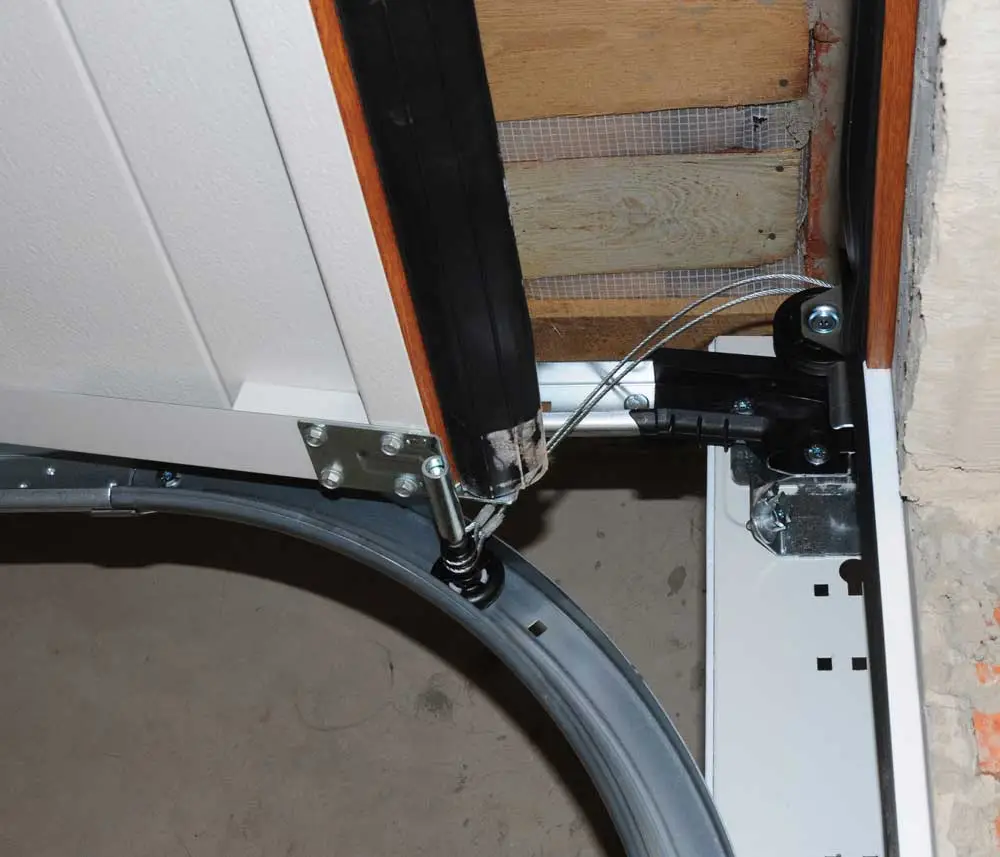
- Inspect springs and cables for rust or fraying. Replace at the first sign of damage — springs are under high tension and should be handled by pros.
- Test the auto‑reverse function by placing a 2×4 on the floor. The door should reverse when it contacts the board.
- Lubricate rollers, hinges, and tracks with a thin silicone or lithium lubricant; avoid heavy oils that attract dirt.
- Listen for grinding or unusual noises; they often precede failure.
3. Weatherproofing and water protection
- Install or replace bottom seals and side weatherstrips to keep standing water and drafts out.
- Elevate sensitive equipment from the concrete floor and install a small moisture barrier under electronic modules.
- Check drainage near the garage door — clogged gutters and poor grading raise the chance of water reaching electronics.
4. Limit remote permissions and automations
- Avoid ‘always open’ automations that let third‑party integrations operate the door without confirmation.
- Set alerts for unexpected activity (door opening while you’re away) and require confirmation for remote overrides.
- Review connected integrations and revoke apps you no longer use.
When to call a professional
Some tasks are safe for homeowners; others require certified technicians. Always call a pro for spring replacement, major electrical problems, or if you detect a structural issue with the tracks or panels.
For service options and certified inspections in Lakewood, view our detailed offerings on the services page: https://garagedoors-lakewood.com/services. If you notice repeated faults or safety trip events, contact us to schedule a diagnostic: https://garagedoors-lakewood.com/contact.
What a local technician will do
- Measure spring tension and replace springs with the correct rating.
- Calibrate the opener force and auto‑reverse sensors to meet safety standards.
- Perform a firmware and connectivity audit on smart modules; recommend segmentation of devices on your home network.
For further reading, homeowner tips, and seasonal checklists tailored to Pierce County conditions, see our blog for focused articles and updates: https://garagedoors-lakewood.com/blog.
Buying, upgrades, and warranty considerations
If you buy a new smart garage system or upgrade a controller, check the manufacturer warranty for electronics and the installer warranty for mechanical work. Some warranties void if the unit isn’t installed by a licensed professional or if non‑approved third‑party modules are attached.
Permit and code notes for Lakewood homeowners
Most door replacements are permitted work in Pierce County when structural changes or electrical upgrades are involved. Simple opener swaps usually don’t need a permit, but replacing header hardware, cutting into the structure, or altering electrical wiring may. Check with the Lakewood building department or your installer before major work.
Simple seasonal schedule
Keep a three‑point seasonal routine: inspect, clean, update.
- Spring: Test sensors, clean tracks after winter, check weather seals.
- Fall: Service springs and rollers, test opener batteries, secure Wi‑Fi for longer indoor time.
- After storms: Verify that sensors and controls are dry and that nothing obstructs travel.
Smart garage systems offer convenience, but safety relies on consistent checks, smart network choices, and timely professional help. If you prefer a walkthrough by a local technician to prioritize fixes, schedule a diagnostic visit through our services link above or reach out using the contact page link.
Frequently asked questions — Lakewood, WA
Q: How does Lakewood weather affect smart garage systems?
A: Wet, salty winters can corrode springs, tracks, and electrical connectors. Inspect seals and elevate control modules off the concrete to prevent moisture damage. Schedule a corrosion check after winter to avoid sticky rollers or seized springs.
Q: How long does a professional safety inspection take?
A: A technician in Lakewood usually completes a full safety and connectivity inspection in 45–75 minutes, depending on whether wiring, springs, or firmware updates are needed. Expect a short quote and timeline at the end of the visit.
Q: What are typical cost ranges for repairs or safety upgrades?
A: Minor sensor or programming fixes often run under $200. Spring replacement and major mechanical repairs typically range $250–$600 depending on parts and labor. Smart controller upgrades vary by model; ask for a detailed estimate during inspection.
Q: Do I need a permit in Lakewood to replace a garage door or opener?
A: Replacing a door panel or swapping an opener usually doesn’t require a permit. Structural changes, header modifications, or electrical panel work may. Confirm with the Lakewood building office or your licensed installer before work begins.
Q: What warranty and maintenance should I expect?
A: Manufacturer warranties often cover electronics for 1–3 years; springs and hardware may have separate coverage. Regular maintenance (annual or semiannual) preserves warranties and extends component life. Keep records of service visits.
Helpful local resources in Lakewood, WA
- Garage Door Repair Seattle
- Garage Door Repair Bellevue
- Garage Door Repair Redmond
- Garage Door Repair Kirkland
- Garage Door Repair Mercer Island
- Garage Door Repair Edmonds
- Garage Door Repair Issaquah
- Garage Door Repair Tacoma
- Garage Door Repair Everett
- Garage Door Repair Bothell
- Garage Door Repair Sammamish
- Garage Door Repair Renton
- Garage Door Repair Lynnwood
- Garage Door Repair Woodinville
- Garage Door Repair University Place
- Garage Door Repair Gig Harbor
- Garage Door Repair Lakewood
- Garage Door Repair Puyallup
- Garage Door Repair Mukilteo
- Garage Door Repair Vancouver
- Garage Door Repair Kenmore
- Garage Door Repair Burien
- Garage Door Repair Auburn
- Garage Door Repair South Hill
- Garage Door Repair Yarrow Point
- Garage Door Repair Clyde Hill
- Garage Door Repair Port Townsend
- Garage Door Repair Duvall
- Garage Door Repair Snoqualmie