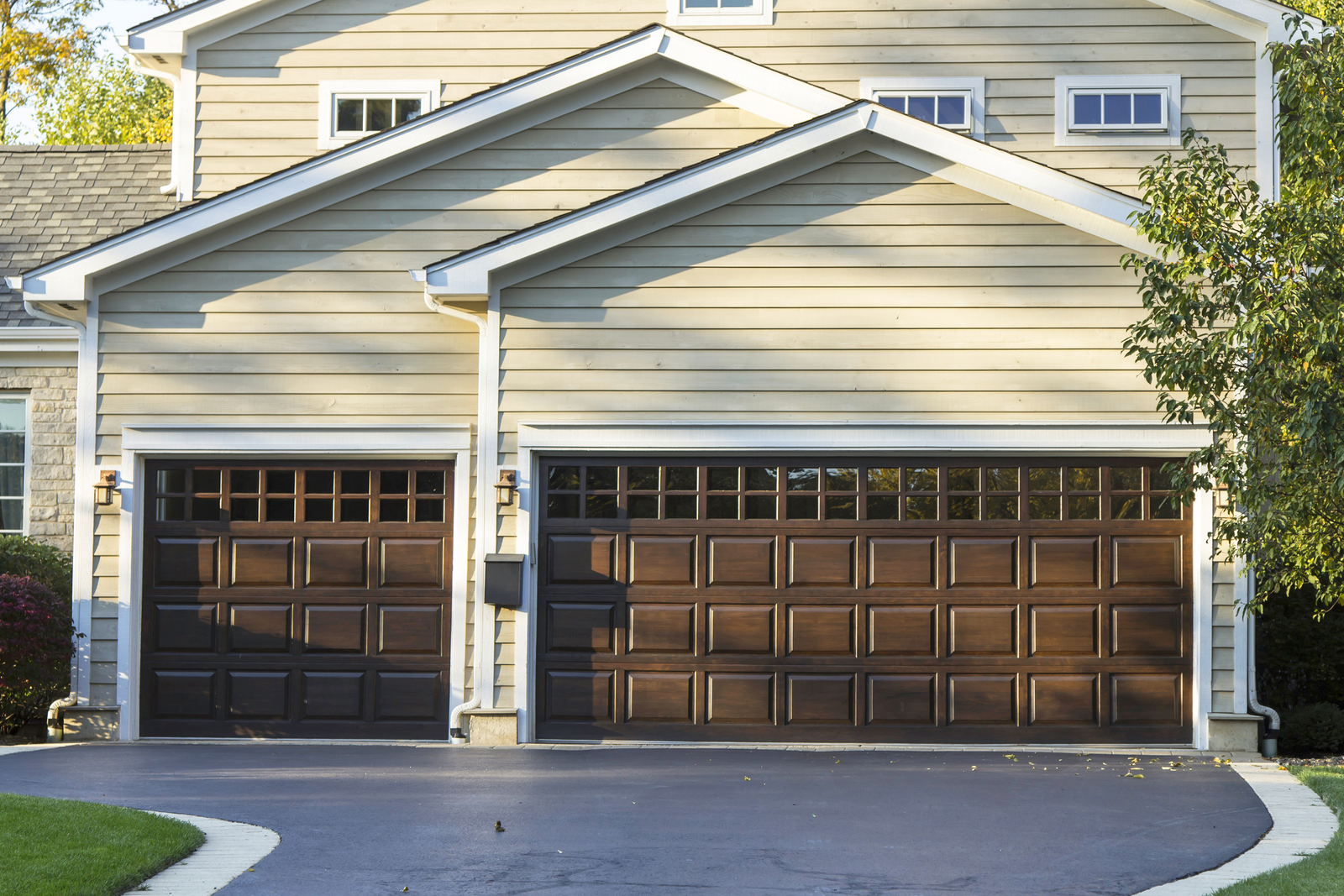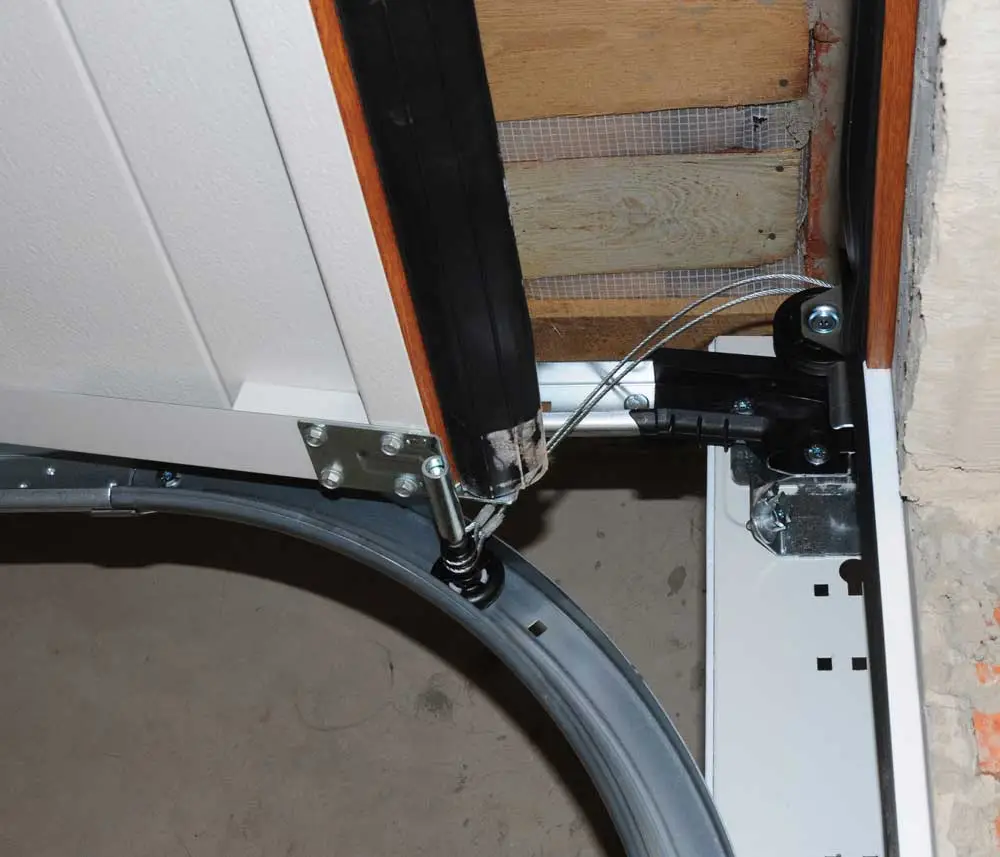
Lakewood, WA homeowners depend on safe, reliable garage doors every day. Knowing when to replace parts for garage door repair can save time, prevent major damage, and keep your family and vehicles secure. This guide lays out clear, local-first decision points for common parts and shows when to call a pro in Lakewood.
Quick signs you need parts replaced now
Not every squeak or slow close requires a full replacement, but several symptoms should prompt immediate action or service. If you notice any of these, schedule garage door repair before a small problem becomes a safety hazard.
- Broken or visibly frayed lift cables
- Loud bangs or snapping noises when the door moves
- Doors that open unevenly or sag to one side
- Broken torsion or extension springs
- Opener failing to reverse on contact or remote issues
- Missing or damaged rollers and worn hinges
These signs often mean worn hardware or failed parts rather than complete door replacement. For most homeowners, timely garage door repair for a single component costs far less than replacing panels or the whole unit.
Common parts and when replacement is best
Springs (torsion and extension)
Springs are the most dangerous components to leave unattended. In the Lakewood climate—wet winters and mild summers—corrosion accelerates spring wear. Replace springs when you see any of the following:
- Visible rust, gaps, or a snapped coil
- Door is extremely heavy to lift by hand or won’t stay open
- Repeated service calls for the same spring failure
Because springs store significant energy, always get a trained technician for spring replacement. This is a critical part of regular garage door repair and safety compliance.
Rollers, hinges and tracks
Noise, wobble, or a door that binds are often roller or track problems. Replace rollers and hinges when:
- Rollers show flattened wheels, cracking, or excessive wobble
- Tracks are bent, dented, or cannot be aligned by adjustment
- Wear is uneven and maintenance (lubrication) doesn’t help
Upgrading to steel or nylon rollers can reduce noise and extend the interval between repairs. Track replacement is less common but essential if the door no longer tracks squarely.
Lift cables and pulleys
Cables fray slowly; small strands can break before a major failure. Replace cables or pulleys if you see broken strands, kinks, or if the door drops slightly when opened. These are inexpensive parts, and replacing them early prevents sudden door collapse and larger repair bills.
Openers and electronic components
Openers last 10–15 years on average depending on use and exposure. Replace the opener when:
- It fails to move the door consistently or cycles erratically
- Safety sensors stop aligning correctly or electronics fail
- Remote range diminishes and troubleshooting hasn’t fixed it
For residential service, modern openers add safety features and quieter operation that improve daily life and reduce repair frequency.
Local factors in Lakewood, WA that affect replacement timing
West Puget Sound weather and coastal air influence wear patterns. Salt air and high humidity speed corrosion on springs, cables, and exposed fasteners. Keep these local factors in mind:
- Inspect external components yearly, more often if you live near salt spray.
- Lubricate moving parts before winter to prevent freeze-related stiffness.
- Check weatherstripping after storms—wet seals deteriorate faster here.
If you want seasonal maintenance tips and local posts, see our blog for Lakewood-focused advice: https://garagedoors-lakewood.com/blog.
How to prioritize parts versus full replacement
Deciding between repairing parts and replacing entire garage doors comes down to safety, cost, and long-term plans for the home.
- Safety first: Replace springs, cables, or sensors immediately if they fail safety checks.
- Cost check: If multiple major components are near end-of-life, a full door and opener replacement may be more economical long-term.
- Home improvement value: New doors improve curb appeal and energy efficiency, an important consideration for resale.
For a clear estimate of parts versus full replacement, our residential service team outlines options and pricing so you can make an informed choice. Learn more about available upgrades and services here: https://garagedoors-lakewood.com/services.
DIY checks and when to call a pro
Homeowners can perform basic inspections safely, but leave high-tension components and electrical work to technicians. Quick checks you can do:
- Disconnect the opener and lift the door by hand to test balance.
- Visually inspect springs and cables for rust or broken strands.
- Run the door and test reversal with a small object on the floor.
If any of these tests fail, schedule professional garage door repair. For quick scheduling or emergency service in Lakewood, use our contact form or call to arrange a visit: https://garagedoors-lakewood.com/contact.
Cost ranges and timelines (Lakewood context)
Costs depend on the part and the door type. Local ranges to expect in Lakewood:
- Springs: $150–$350 per set (higher for heavier doors)
- Opener replacement: $300–$700 installed, depending on features
- Rollers, cables, hinges: $75–$250 depending on quantity and labor
Most part replacements are completed in a single visit. Spring or opener replacements typically take 1–3 hours. Weather, part availability, and the extent of corrosion may extend timelines.
Preventive maintenance to extend part life
Scheduled maintenance reduces the need for emergency garage door repair and helps parts reach expected lifespans. Recommended habits:
- Lubricate rollers, hinges, and springs twice yearly.
- Check balance and safety reversal quarterly.
- Replace weatherstripping every 3–5 years or after storm damage.
Regular residential service checks catch wear early and keep repair costs predictable.
Choosing the right local technician
When selecting a technician in Lakewood, look for clear pricing, proof of insurance, and local references. Ask specifically about:
- Warranty on parts and labor
- Whether technicians are trained for torsion spring work
- Availability for emergency calls after storms
Licensed professionals can also advise on permit needs and energy upgrades that might affect long-term home improvement plans.
Understanding when to replace parts is the most practical way to keep your garage door safe and functional. For personalized advice or to schedule a service visit in Lakewood, reach out to our team via the contact page above or call directly.
Frequently Asked Questions
Q: How does Lakewood weather affect garage door parts?
A: Salt spray and year-round humidity accelerate rust on springs, cables, and exposed fasteners. Inspect these parts at least annually; if you spot rust or stiffness, arrange garage door repair sooner rather than later.
Q: How long does a spring replacement take in Lakewood?
A: Most torsion spring replacements take 1–2 hours on-site, depending on door size and whether both springs are changed. Technicians follow safety protocols that add time but ensure correct tuning and balance.
Q: What price range should I expect for common part replacements?
A: Typical local ranges: springs $150–$350 per set, openers $300–$700 installed, rollers and cables $75–$250. Prices vary by door weight, drive type, and parts quality.
Q: Do I need a permit for major garage door replacement in Lakewood?
A: Most residential part replacements (springs, openers) do not require permits. Full structural changes or replacing an attached garage door header may need a permit—check Pierce County rules or ask your technician during an estimate.
Q: Will replacing parts affect my door’s warranty?
A: Using OEM or manufacturer-approved parts and certified installers preserves many warranties. Keep receipts and get written warranty details from your service provider.
Q: How quickly can I get emergency repair after storm damage?
A: Local crews in Lakewood typically offer same-day or next-day emergency service depending on call volume and part availability. Contact a local technician as soon as damage occurs to prevent secondary issues.
Helpful local resources in Lakewood, WA
- Garage Door Repair Seattle
- Garage Door Repair Bellevue
- Garage Door Repair Redmond
- Garage Door Repair Kirkland
- Garage Door Repair Mercer Island
- Garage Door Repair Edmonds
- Garage Door Repair Issaquah
- Garage Door Repair Tacoma
- Garage Door Repair Everett
- Garage Door Repair Bothell
- Garage Door Repair Sammamish
- Garage Door Repair Renton
- Garage Door Repair Lynnwood
- Garage Door Repair Woodinville
- Garage Door Repair University Place
- Garage Door Repair Gig Harbor
- Garage Door Repair Lakewood
- Garage Door Repair Puyallup
- Garage Door Repair Mukilteo
- Garage Door Repair Vancouver
- Garage Door Repair Kenmore
- Garage Door Repair Burien
- Garage Door Repair Auburn
- Garage Door Repair South Hill
- Garage Door Repair Yarrow Point
- Garage Door Repair Clyde Hill
- Garage Door Repair Port Townsend
- Garage Door Repair Duvall
- Garage Door Repair Snoqualmie